

what is the difference between tempered glass and regular glass
Understanding Thread Ring Gauge Use in Quality Control Thread ring gauges are essential instruments in the field of quality control, particularly for threaded fasteners and components. They ensure the accuracy of external threads by providing a means to measure the pitch diameter and verify the thread profile of a threaded part. This article delves into the importance, operational principles, and applications of thread ring gauges. What is a Thread Ring Gauge? A thread ring gauge is a cylindrical tool with internal threads that are manufactured to specific standards, typically based on the American National Standards Institute (ANSI) or the International Organization for Standardization (ISO). These gauges come in two primary forms go gauges and no-go gauges. The ‘go’ gauge checks whether the threads of a part are within the acceptable limits, while the ‘no-go’ gauge ensures that the threads do not exceed the allowable tolerances. By using both, manufacturers can effectively ensure that their parts meet precise specifications. Importance of Thread Ring Gauges The accuracy of threaded components is critical in many industries, including automotive, aerospace, and manufacturing. Threads that don't meet specifications can lead to mechanical failures, excessive wear, or safety issues. For example, in the automotive sector, improperly threaded components can cause significant damage or even catastrophic failures during operation. Using thread ring gauges helps manufacturers 1. Ensure Compliance Meeting industry standards for thread dimensions is crucial for regulatory compliance and product certification. 2. Enhance Quality Control Regular use of thread ring gauges allows for consistent quality checks throughout the production process, reducing the chances of defective components. 3. Reduce Costs By identifying non-conforming parts early in the manufacturing process, companies can minimize rework and scrap, ultimately saving on production costs. 4. Increase Customer Satisfaction High-quality products lead to increased customer trust and satisfaction, fostering long-term business relationships. Operational Principles of Thread Ring Gauges thread ring gauge use Using a thread ring gauge involves several straightforward steps. First, it is important to choose the right gauge for the part being tested. Once selected, the operator takes the threaded component and attempts to screw it into the gauge. For the ‘go’ gauge, the part should fit smoothly without excessive force, indicating that it is within the desired tolerance. Conversely, the ‘no-go’ gauge should not accept the component; if it does, the part is rejected based on inadequate thread depth or improper diameter. It’s essential for operators to familiarize themselves with the pitch diameter and thread profile of the gauges, ensuring compatibility. Additionally, regular calibration and maintenance of the gauges are necessary to ensure their longevity and accuracy. Applications of Thread Ring Gauges Thread ring gauges are utilized in various applications across multiple sectors. Some common uses include 1. Manufacturing and Assembly They are extensively used to inspect threaded parts, ensuring they meet the required specifications before assembly. 2. Quality Assurance Laboratories These gauges are often employed in labs where detailed measurements and certifications are required for parts before they enter the marketplace. 3. Field Inspections In some cases, thread ring gauges may be used on-site for maintenance inspections of machinery, ensuring that threads on bolts and fittings are still within acceptable tolerances after extended use. 4. Training and Development They are also valuable teaching tools in engineering and manufacturing courses, helping students understand the critical nature of thread specifications. Conclusion In summary, the use of thread ring gauges is indispensable in the quality control processes across many industries. They ensure that threaded components meet strict specifications, thereby enhancing safety, compliance, and customer satisfaction. As manufacturing technologies advance, the importance of precise measurements will only increase, further solidifying the role of thread ring gauges in modern production environments. By prioritizing the implementation of these gauges, companies can remain competitive and ensure high standards throughout their production processes.
about
what is the difference between tempered glass and regular glass
Measuring Tools and Equipment Understanding Their Importance and Usage Measuring tools and equipment are essential components in various fields, including construction, engineering, manufacturing, and scientific research. These tools play a pivotal role in ensuring accuracy, precision, and efficiency in measurements, which are critical for successful project outcomes. With advancements in technology, the variety and sophistication of measuring equipment have evolved significantly, catering to diverse requirements across different industries. Types of Measuring Tools 1. Length Measurement Tools One of the most common categories of measuring tools is length measurement instruments. This category includes rulers, tape measures, calipers, and micrometers. Rulers and tape measures are widely used in everyday tasks, while calipers and micrometers provide higher accuracy for engineering and manufacturing applications. 2. Angle Measurement Tools Instruments such as protractors and digital angle finders help determine angles accurately, which is crucial in fields like construction and woodworking. These tools enable precise cutting and assembly of materials, ensuring that projects maintain structural integrity and aesthetic appeal. 3. Mass Measurement Tools Scales and balances are fundamental for measuring mass. From kitchen scales used in culinary applications to precision balances in labs, these tools are vital for quantitative analysis and quality control processes. 4. Temperature Measurement Tools Thermometers, thermocouples, and infrared sensors are examples of tools used to measure temperature. Accurate temperature readings are crucial in industries like food processing, pharmaceuticals, and HVAC, where temperature control can significantly impact product quality and safety. 5. Pressure Measurement Tools Pressure gauges and manometers are essential in various industries, including automotive, aerospace, and chemical processing, where understanding fluid dynamics and system performance is critical. measuring tools and equipment 6. Electrical Measurement Tools Multi-meters, oscilloscopes, and clamp meters are essential for measuring electrical parameters such as voltage, current, and resistance . These tools are widely used by electricians and engineers to ensure the safe and efficient operation of electrical systems. Importance of Accuracy and Precision One of the primary reasons measuring tools and equipment are indispensable is their ability to provide accuracy and precision. Accurate measurements are crucial in ensuring that components fit together correctly, materials are used efficiently, and safety standards are met. In many industries, even a slight deviation from the prescribed measurements can lead to significant errors, financial losses, or safety hazards. For example, in construction, errors in measurements can result in structural failures, while in manufacturing, inaccuracies can lead to defective products, waste of materials, and increased costs. Thus, investing in high-quality measuring tools and ensuring proper calibration and maintenance is essential for any organization. Technological Advancements The rise of digital technology has revolutionized measuring tools and equipment. Digital calipers, laser distance meters, and electronic levels enhance accuracy and ease of use. These modern tools often come equipped with features like memory storage, data output, and connectivity options, allowing users to manage measurements efficiently. Furthermore, the integration of software with measuring equipment enables real-time data analysis and reporting, facilitating more informed decision-making. Conclusion Measuring tools and equipment are fundamental to a wide range of industries and applications. Their role in ensuring accuracy, precision, and efficiency cannot be overstated. As technology continues to advance, the evolution of these tools presents exciting opportunities for improvement in measurement practices. For professionals in fields relying heavily on measurements, staying abreast of new tools and techniques is essential for maintaining a competitive edge and achieving success in their respective areas. Investing in high-quality measuring equipment and embracing technological innovations will undoubtedly lead to enhanced productivity and superior outcomes.
-

High quality industrial productsagement

High quality industrial products
View Details -

Meet the diverse needs of customers

Meet the diverse needs of customers
View Details -

Strict quality control

Strict quality control
View Details -

Top raw materials

Top raw materials
View Details -

Trusted supplier

Trusted supplier
View Details
Our application

news and information
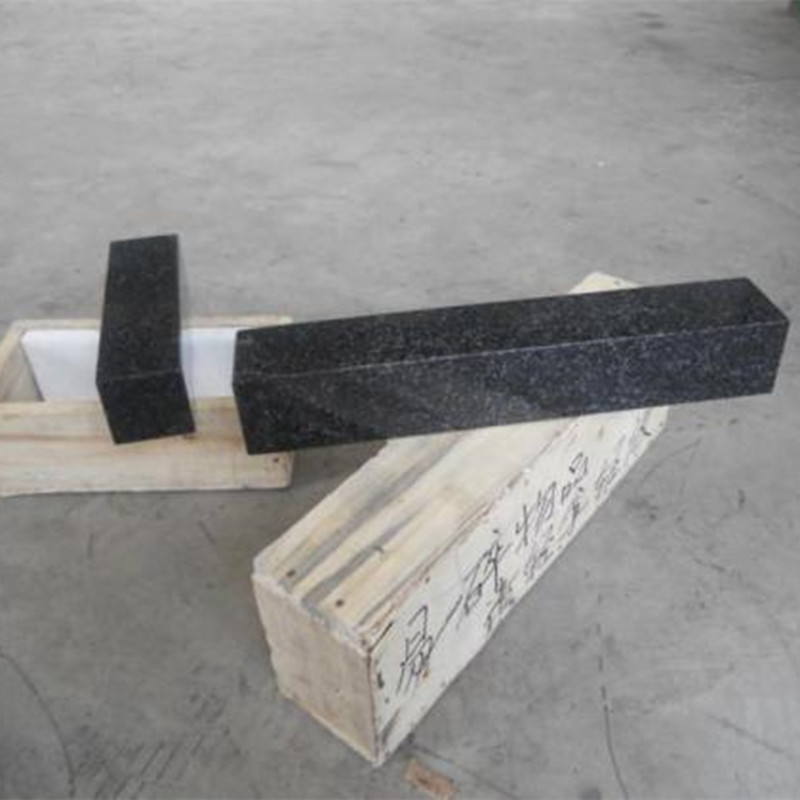
using v blocks
Utilizing V Blocks A Comprehensive Guide V blocks are essential fixtures in machining and manufactur
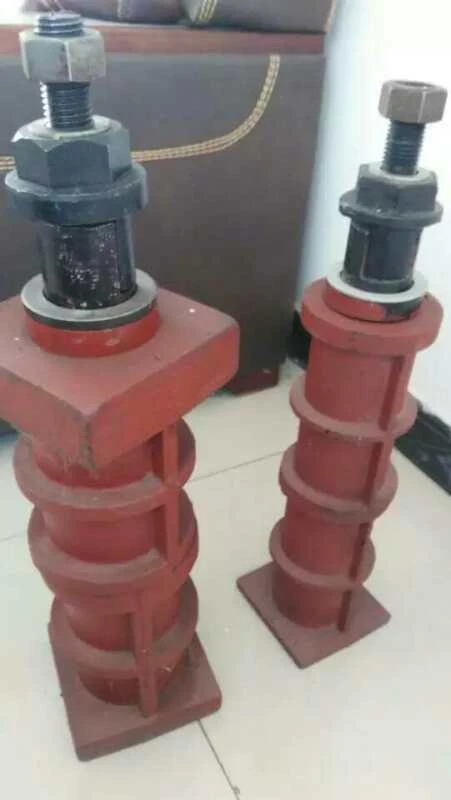
verschillende soorten regelkleppen en hun toepassingen
Verschillende Soorten Controlekranen en Hun Toepassingen Controlekranen zijn essentiële componenten
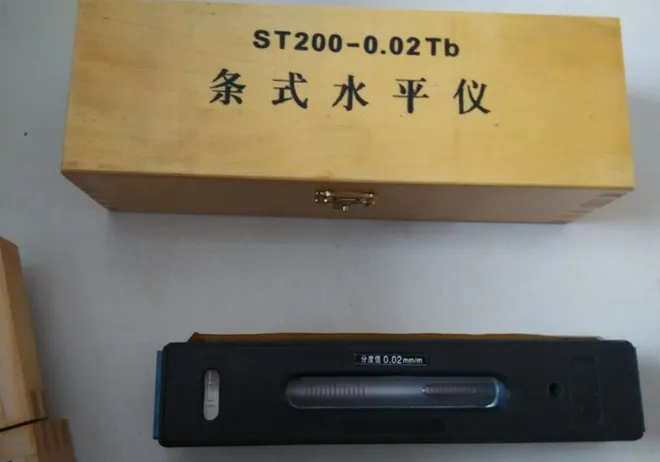
Versatile Large Metal Strainer for Efficient Kitchen Tasks and Food Preparation Needs
The Benefits and Versatility of Large Metal Strainers In the culinary world, the tools we use can si
 English